Oral health is an essential part of overall well-being, influencing not only physical health but also confidence and self-esteem, and can be maintained through regular dental treatments such as cleanings, exams, fillings, crowns, root canals, and orthodontic care. Proper dental care goes beyond brushing and flossing at home; it requires regular visits to skilled professionals who can identify problems early, provide preventative treatments, and perform complex procedures when needed.
Choosing the right dental care approach can seem overwhelming, especially with the variety of services and specialists available today. From routine check-ups to advanced cosmetic procedures, the right strategies can help you avoid costly issues, maintain a healthy smile, and enjoy a comfortable dental experience.
This guide offers practical advice and actionable tips for maintaining your oral health, selecting experienced dental professionals, and navigating the many options for care, ensuring you and your family can make informed decisions about your smile.
How to Choose the Right Dentist for Your Needs
Finding the right dental professional is crucial to establishing long-term oral health. Not all dentists provide the same level of care or specialize in the same services, so knowing what to look for can make a big difference.
Tips for choosing the right dentist:
-
Check credentials and experience: Look for certifications, professional memberships, and years of practice. Experienced dentists often have extensive knowledge of various dental treatments and can tailor care to individual needs.
-
Ask about specialization: For families, choosing a family dentist can simplify care for multiple age groups. A family dentist is trained to handle children, adults, and seniors under one roof, ensuring continuity of care.
-
Read reviews and ask for recommendations: Online reviews, testimonials, and referrals from friends or coworkers can provide insight into patient experiences and satisfaction.
-
Assess communication style: A good dentist listens to your concerns, explains procedures clearly, and helps you make informed choices. Comfort and trust are key for ongoing visits.
By taking time to research dentists and evaluating their approach, you can ensure you’re receiving care that is both professional and personalized.
Setting Up a Dental Office Visit Efficiently
Visiting a dental office can be daunting, especially for first-time patients or children. Planning can reduce stress and make appointments more effective.
Strategies for a smooth dental office experience:
-
Prepare your records: Bring past dental records, x-rays, and insurance information. This allows the office to understand your history and plan treatments accordingly.
-
Schedule appropriate visits: For children, choosing a pediatric dentist ensures that their care is tailored to younger patients, making visits enjoyable and educational.
-
Ask questions in advance: Inquire about office policies, emergency procedures, and preventive care programs. Knowing what to expect can help ease anxiety for both adults and children.
-
Time your appointments wisely: Consider your schedule and plan visits during times when the office is less crowded, minimizing wait times.
Tips for pediatric visits:
-
Encourage positive conversations about dental care at home.
-
Bring a favorite toy or comfort item to the appointment.
-
Reward positive behavior after the visit to reinforce good habits.
Efficient visits allow patients to maximize their time and ensure the dentist can provide thorough care without feeling rushed.
Preventive Care Strategies for Healthy Teeth
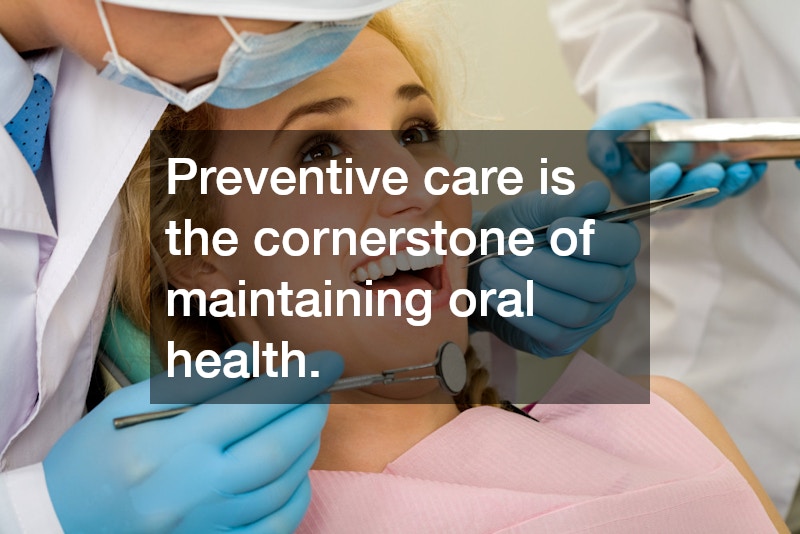
Preventive care is the cornerstone of maintaining oral health. Regular teeth cleaning, check-ups, and at-home care routines reduce the risk of cavities, gum disease, and other dental problems.
Key preventive practices:
-
Routine teeth cleaning: Professional cleaning removes plaque and tartar buildup, which regular brushing cannot fully address. Most patients benefit from cleaning every six months.
-
Daily oral hygiene: Brush at least twice a day with fluoride toothpaste, floss daily, and use an antimicrobial mouthwash.
-
Dietary considerations: Limit sugary foods and drinks that contribute to tooth decay. Eat a balanced diet rich in vitamins and minerals for stronger teeth and gums.
-
Check-ups with a family dentist: These visits help monitor oral health across all age groups, detect early signs of dental problems, and guide home care routines.
Additional tips for long-term oral health:
-
Replace toothbrushes every 3–4 months or sooner if bristles are frayed.
-
Consider sealants for children to prevent decay on molars.
-
Discuss fluoride treatments with your dentist for added protection.
A proactive approach to preventive care can save time, money, and discomfort over the years.
Cosmetic Dentistry Tips for a Confident Smile
A cosmetic dentist enhances the appearance of teeth, gums, and the overall smile. Beyond aesthetics, many cosmetic procedures also improve oral function and health.
Common cosmetic procedures:
-
Teeth whitening: Removes stains and brightens smiles.
-
Veneers: Thin porcelain shells cover imperfections, providing a uniform appearance.
-
Bonding: Repairs minor chips, cracks, or gaps.
-
Gum reshaping: Corrects uneven gum lines and enhances smile symmetry.
Choosing the right cosmetic dentist:
-
Review portfolios of before-and-after photos.
-
Ask about experience with specific procedures.
-
Discuss the longevity of treatments and necessary maintenance.
Tips to maintain cosmetic results:
-
Avoid foods and drinks that stain, like coffee, tea, and red wine.
-
Maintain regular dental check-ups and cleanings.
-
Follow dentist instructions for care after procedures like whitening or veneers.
Cosmetic treatments, when performed by skilled professionals, not only enhance appearance but also boost self-confidence and oral health.
Orthodontic Solutions and Aligners
Orthodontic treatments correct misaligned teeth and bite issues, improving function and aesthetics. Modern solutions like Invisalign offer discreet alternatives to traditional braces.
How to determine if orthodontic treatment is needed:
-
Crooked, crowded, or widely spaced teeth.
-
Bite issues, including overbite, underbite, or crossbite.
-
Jaw discomfort or difficulty chewing.
Benefits of Invisalign services:
-
Nearly invisible aligners for aesthetic appeal.
-
Removable trays for easier cleaning and eating.
-
Predictable results with digital treatment planning.
Choosing the right orthodontist:
-
Look for board-certified orthodontists with experience in Invisalign.
-
Review patient success stories and treatment timelines.
-
Discuss follow-up visits and adjustments to ensure consistent progress.
Maintaining oral hygiene is critical during orthodontic treatment to prevent decay and gum issues while straightening teeth.
Local Invisalign Options and Accessibility
Finding local Invisalign providers ensures convenient access and continuity of care. Combining Invisalign with regular teeth cleaning ensures optimal oral health throughout treatment.
Tips for finding a provider:
-
Check for certifications and Invisalign-specific training.
-
Ask for referrals from other patients or dentists.
-
Verify treatment costs, insurance coverage, and payment plans.
Maintaining oral health during Invisalign treatment:
-
Remove aligners before eating or drinking anything other than water.
-
Brush and floss after every meal before reinserting aligners.
-
Attend regular teeth cleaning appointments to prevent plaque buildup.
Local Invisalign options make it easier to manage appointments, monitor progress, and achieve the best results efficiently.
Handling Dental Emergencies Effectively
Dental emergencies can happen suddenly, from accidental trauma to severe tooth pain. Quick and effective action is crucial to prevent further damage and protect your oral health. Whether you’re dealing with a knocked-out tooth, a dental abscess, or a broken crown, knowing the right steps can save your smile.
Common Dental Emergencies
-
Knocked-out or broken teeth – trauma from sports, falls, or accidents can lead to chipped, fractured, or avulsed teeth.
-
Severe toothache or abscess – infections, cavities, or nerve damage can cause intense pain and swelling.
-
Lost fillings or crowns – broken dental restorations can leave teeth vulnerable to decay.
-
Injury to gums or soft tissue – lacerations, cuts, or bruising in the mouth require immediate attention.
Emergency Dental Strategies
-
Contact your dental office immediately for emergency dental care or guidance. Many offices provide urgent dental appointments or after-hours services.
-
Rinse the mouth with warm water to clean affected areas and reduce the risk of infection.
-
Apply a cold compress to reduce swelling, pain, and inflammation around the jaw or cheeks.
-
Preserve broken or knocked-out teeth in milk or saline solution for potential reattachment by your dentist.
What to Expect During an Emergency Dental Visit
-
Immediate assessment of the dental issue, including X-rays if necessary.
-
Pain management and temporary solutions, such as dental bonding, temporary crowns, or fillings.
-
Planning for long-term treatment, including root canals, dental implants, or corrective dental procedures if needed.
Preventing Complications From Dental Emergencies
Having a dental office prepared for emergencies ensures timely care, reduces the risk of infection, and prevents long-term damage. Regular dental checkups, protective gear for sports, and proper oral hygiene are essential for minimizing dental emergencies.
Keywords naturally included: dental emergencies, tooth pain, knocked-out teeth, broken teeth, dental abscess, lost fillings, lost crowns, oral injury, emergency dental care, urgent dental care, emergency dentist, dental office, dental treatment, root canal, dental implants, tooth restoration, oral health, dental trauma, swelling, pain management, chipped teeth, fractured teeth, soft tissue injury, mouth injury, preventive dental care.
Caring for Children’s Oral Health
Children’s dental care requires special attention and techniques. Establishing good habits early leads to healthier adult teeth and fewer issues later. Creating a strong foundation now can prevent cavities, misalignment, and other dental problems in the future.
Tips for children’s dental care:
-
Schedule early dental visits by age one. Early visits help children become familiar with the dental office environment and allow pediatric dentists to identify potential concerns before they become serious.
-
Encourage proper brushing and flossing habits. Supervise young children to ensure they brush for at least two minutes twice a day and begin flossing once teeth start touching.
-
Teach kids to avoid sugary snacks and drinks. Limiting sugar reduces the risk of cavities and promotes overall oral health.
-
Use fluoride treatments and dental sealants as recommended by pediatric dentists to strengthen enamel and prevent decay.
-
Monitor oral habits. Pacifiers, thumb sucking, and prolonged bottle use can impact tooth alignment and should be addressed early.
Creating a positive experience:
-
Make appointments fun with small rewards, stickers, or praise to encourage a positive attitude toward dental visits.
-
Choose pediatric dentists trained in child behavior management. They know techniques to help children feel comfortable and reduce anxiety.
-
Read children’s books about visiting the dentist or play pretend dentist at home to normalize the experience.
-
Coordinate care through a family dentist. Family dentists help manage multiple children’s appointments, track preventive care, and provide consistent guidance for oral hygiene routines at home.
-
Set a routine at home. Incorporate brushing and flossing into daily schedules, and make it interactive by letting kids pick their toothbrush or timer for brushing.
By fostering positive dental experiences and consistent oral care habits, children develop a lifelong understanding of the importance of dental health, leading to stronger, healthier teeth and a more confident smile as they grow.
Maintaining Long-Term Oral Health
Long-term oral health requires a combination of preventive care, routine treatments, and lifestyle choices. Building healthy habits today can prevent major dental issues in the future, saving time, money, and discomfort.
Strategies for sustaining oral health:
-
Maintain regular check-ups with experienced dentists. Regular visits allow for early detection of problems like cavities, gum disease, or oral cancer. Your dentist can create a personalized care plan tailored to your needs.
-
Combine preventive, cosmetic, and orthodontic care when needed. Integrating these treatments ensures not only healthy teeth but also a confident smile. Addressing alignment issues early can prevent jaw pain, excessive wear, and other complications.
-
Adopt healthy habits: Eat a balanced diet rich in vitamins and minerals, limit sugary foods and drinks, and avoid smoking or tobacco use, which can contribute to gum disease and oral cancers.
-
Address dental concerns promptly to prevent escalation. Even minor issues, if left untreated, can develop into serious problems requiring invasive procedures.
Lifestyle tips for optimal oral health:
-
Drink plenty of water throughout the day to wash away food particles and bacteria.
-
Use mouthguards during sports or for teeth grinding at night to prevent damage.
-
Monitor for signs of gum disease or tooth decay, such as bleeding gums, bad breath, or sensitivity, and seek professional advice immediately.
-
Stay informed about new dental technologies and treatments to take advantage of innovations that can enhance both prevention and treatment outcomes.
Additionally, maintain consistent at-home care by brushing at least twice daily with fluoride toothpaste, flossing every day, and incorporating antimicrobial mouth rinses if recommended. Consider tracking your oral care routine to identify areas for improvement and ensure consistency. Long-term commitment to oral health preserves both function and appearance, supporting overall well-being, confidence, and quality of life.
Maintaining a healthy smile requires dedication, preventive care, and guidance from skilled dental professionals. Experienced dentists provide a full spectrum of services, from routine cleanings to complex cosmetic and orthodontic procedures, ensuring that every patient receives care tailored to their needs. By choosing the right practitioners, scheduling regular visits, and adopting strong at-home routines, you can safeguard your oral health for life. Investing in professional dental care is not only about aesthetics—it is an essential part of living a healthy, confident, and comfortable life.